
Boar Semen Motility: Quality-Control Workflow
Build consistent sampling, microscopy or CASA measurement, reporting and release decisions.
Measure at defined control points
A boar-semen quality plan should specify checks after collection, after processing, during shelf-life validation and at receipt or before use where required. Define sampling frequency and acceptance criteria before testing. One motility result cannot establish fertility, freedom from contamination or suitability for every insemination method.
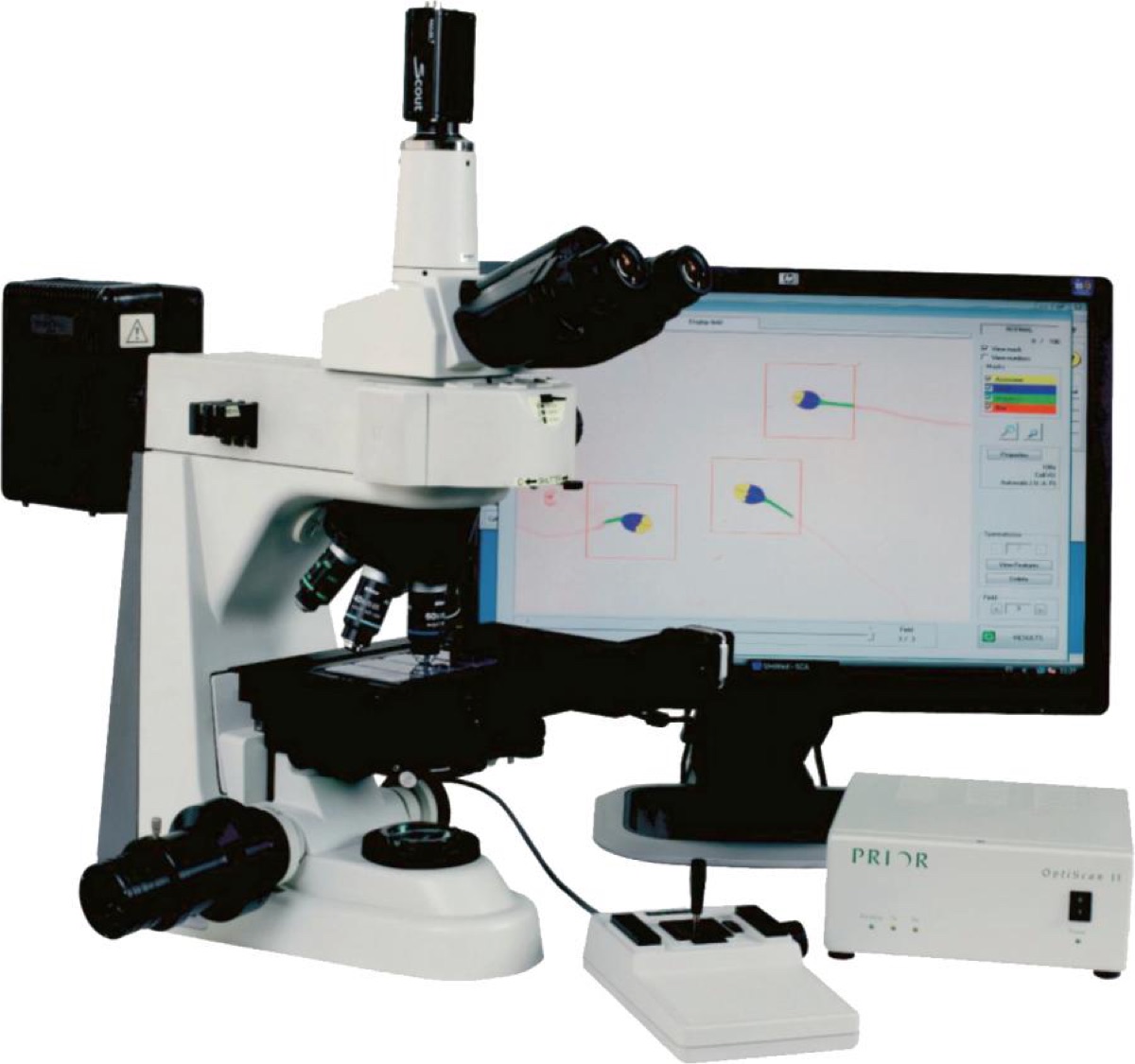
Use a consistent measurement procedure
- Identify the sample: record boar/batch, collection date, extender, storage history and stage of processing.
- Prepare consistently: follow the validated warming, gentle mixing, dilution and timing procedure. Avoid selecting only the clear upper layer of a settled sample.
- Prepare the chamber or slide: use the specified chamber depth, sample volume, temperature and loading method. A general slide-and-coverslip instruction is not interchangeable with a CASA chamber protocol.
- Measure representative fields: follow the method’s field-selection and minimum-count rules; do not choose only the most active area.
- Review and save: check images for debris, bubbles, crowding or tracking errors. Record instrument configuration, operator and result.
Know which result you are reading
Total motility and progressive motility are different measures. Concentration and morphology add information but are not interchangeable with either motility value. For CASA, classification thresholds, imaging conditions and chamber preparation affect the result. Keep settings consistent when comparing batches and verify the system using the laboratory’s quality-control procedure.
Make a documented release decision
Compare results with the applicable product, supplier and farm criteria for the intended insemination method. Do not publish a single universal 60%, 70% or 80% threshold as sufficient for every raw ejaculate and stored dose. A borderline or unexpected result should trigger a hold and investigation, with repeat sampling where the approved method permits it.
Troubleshoot a sudden decline
First exclude sampling, temperature, chamber and instrument errors. Review collection conditions, water, extender preparation, processing and transport records. Compare other batches and the boar’s recent history. Refer persistent problems to the laboratory lead and herd veterinarian. Record both the original result and investigation; do not repeatedly test until a passing number appears.
Choosing analysis equipment
Confirm what the selected CASA configuration measures, its sample preparation, reporting fields and verification requirements. Automation can support repeatable records, but it does not remove sampling bias or justify an unverified analysis-time or accuracy claim.
Related equipment
For model selection and compatibility, contact DOLO or email [email protected].