
Boar Semen Storage: Managing Temperature Around 17°C
Monitor storage and transport, handle excursions and choose equipment for the actual semen protocol.
Understand the temperature target
Around 17°C is a common operating target for conventional extended liquid boar semen. It is not a universal biological boundary or a specification for every extender. Use the semen supplier’s validated temperature range, cooling instructions and expiry. Experimental low-temperature systems require their own validated protocols.
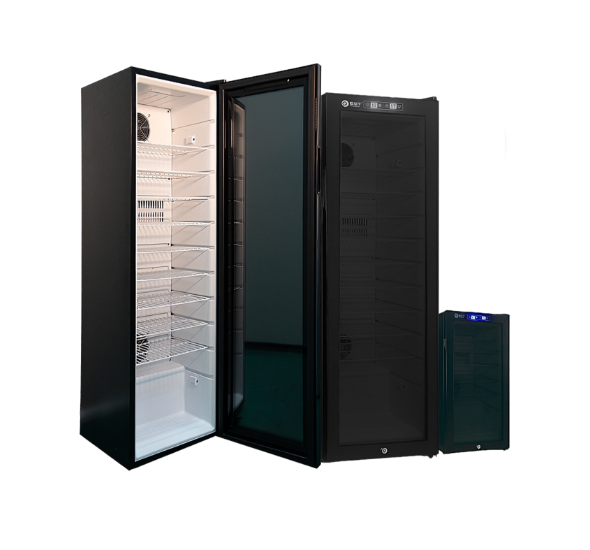
Control the storage environment
Use equipment designed for the required range, with sufficient airflow and usable capacity. Monitor a representative load with checked sensors and record daily minimum and maximum temperatures. Investigate alarms and excursions. An insulated transport box alone does not demonstrate temperature control.
Follow the cooling programme
The processing laboratory must define cooling from extension temperature to storage temperature for its extender, dose size and equipment. Do not replace this programme with a universal instruction to leave every batch on a bench for one or two hours. Do not use a domestic 4°C refrigerator for a conventional 17°C programme.
Keep the transport record
Check the shipment and label on receipt. Use suitable insulation and conditioned packs without direct ice contact. Limit the time outside controlled storage, and carry only the working quantity needed. Do not warm doses in a pocket or return exposed, unused doses to stock without an approved disposition procedure.
Daily operating checklist
- Review temperature records, alarms, power supply and remaining shelf life.
- Keep airflow paths clear; loading and wall clearances must follow the equipment instructions.
- Keep semen separate from food, vaccines and unrelated materials.
- Follow the supplier’s handling and mixing instructions; routine rotation advice differs between supply programmes, so do not impose a fixed twice-daily rule.
- Maintain a backup power and transfer plan, with someone responsible for responding.
What to do after an excursion
Identify the affected batches and record time, duration, measured temperature and likely cause. Hold them for assessment under the supplier’s quality procedure. Returning the unit to its setpoint does not by itself release the semen. Do not assume that a fixed number of hours without power is always safe or always fatal.
Equipment to discuss with DOLO
Confirm working range, accuracy, temperature uniformity, alarm options, capacity, electrical supply and local service for the selected model. A displayed setpoint is different from a verified temperature throughout the stored load.
Further reading
PIC: semen management and handling provides a supplier-specific example of storage and on-farm handling. Apply the instructions for the semen programme actually in use.
Related equipment
For model selection and compatibility, contact DOLO or email [email protected].