
Boar-Stud Laboratory Hygiene and Semen Processing
Control contamination across personnel, water, equipment, dilution, filling and batch release.
Separate clean and dirty work
Boar semen processing needs a defined clean workflow. Keep collection-area clothing, tools and incoming materials from contaminating laboratory benches. Define entry rules, hand hygiene, protective clothing and responsibilities in a written cleaning plan.
Personnel and consumables
- Wash hands and use clean, appropriate gloves. Change them between dirty and clean tasks.
- Keep jewellery and loose hair away from the process; protect open wounds and follow the site’s occupational-health rules.
- Inspect packaging before use. Cleanroom manufacture is not the same as validated sterility: describe a product as sterile only when the exact product documentation supports it.
- Do not reuse items labelled single-use. Protect open bottles, bags and pipette tips from environmental contamination.
Cleaning and disinfection
Clean away organic material before disinfection. Choose a product, concentration, contact time, rinse requirement and drying method approved for each surface. A single dilution ratio is not appropriate for all disinfectants. Keep chemical residues away from semen-contact equipment, and never spray disinfectant over exposed semen.
Reusable equipment needs a validated washing, rinsing and drying procedure. Check that materials tolerate the selected process. Keep separate records for bench cleaning, equipment maintenance and any microbiological investigation.
Water and extender preparation
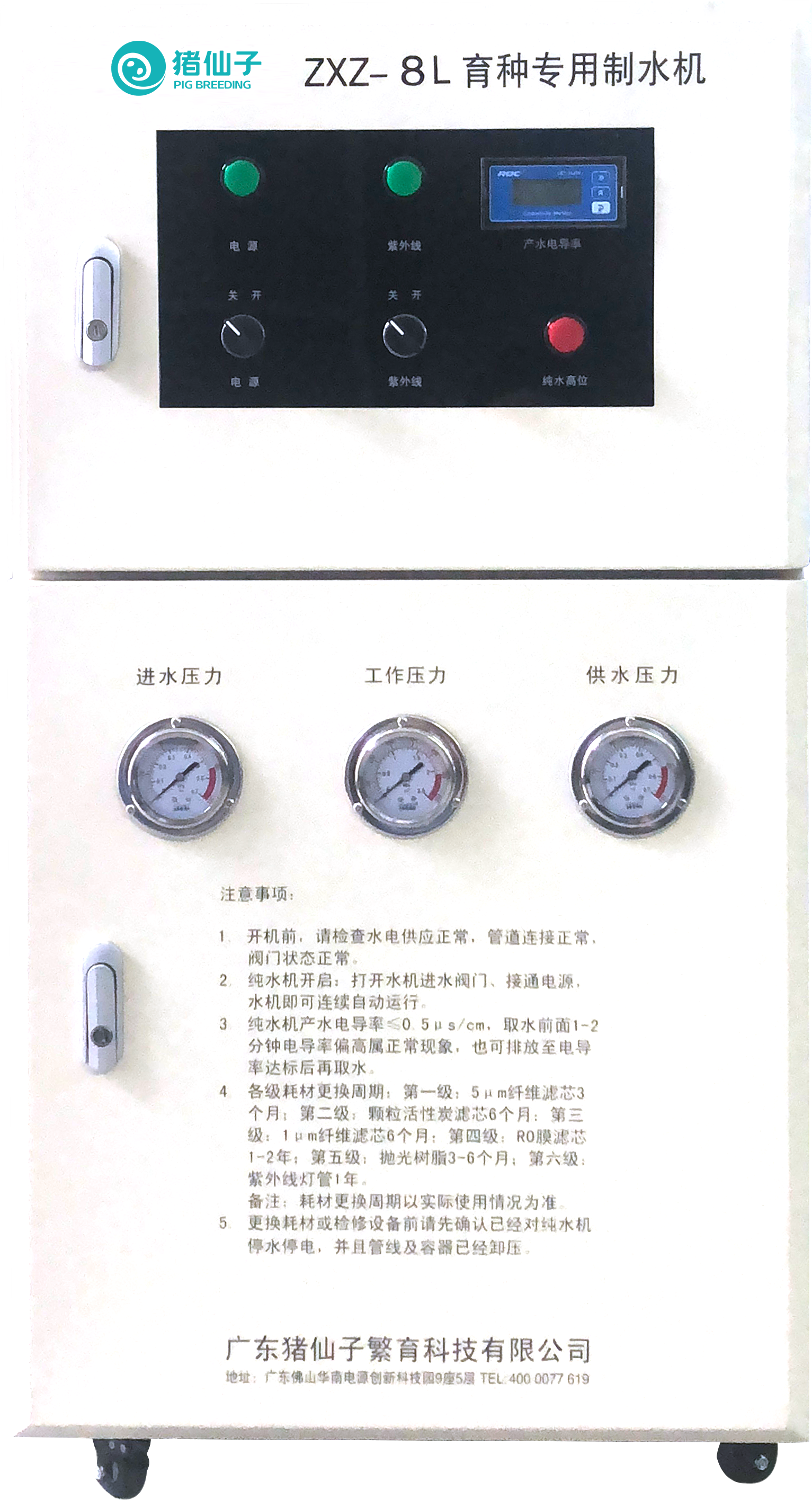
Use water meeting the extender manufacturer’s chemical and microbiological specification. Maintain the treatment system, monitor the required parameters and document sampling. Resistivity alone does not demonstrate microbiological suitability. Follow the extender’s mixing, temperature, storage and use-time instructions rather than imposing an unsupported universal water specification.
Processing checkpoints
- Collect and filter according to the stud’s protocol; prevent contact with dirty surfaces.
- Identify the ejaculate and assess concentration, motility and other release criteria with a documented method.
- Prepare the extender and manage the temperature difference according to the validated processing procedure.
- Mix gently and consistently so filling does not create uneven doses. Avoid foam and unnecessary mechanical stress.
- Fill compatible single-use containers, verify seals and attach traceable labels.
- Apply the validated cooling programme, then store under the conditions specified for the extender and semen supply programme.
Investigate quality failures
Hold affected batches. Review water, cleaning residues, consumables, extender preparation, temperatures, instruments and boar health. Record the evidence and corrective action before restarting routine release. Equipment selection supports process control; it does not replace a laboratory quality system.
Related equipment
For model selection and compatibility, contact DOLO or email [email protected].