
PCAI: Five Potential Benefits and Their Requirements
Assess semen use, boar capacity, genetic reach, labour and breeding results without assuming guaranteed savings.
Start with a controlled farm comparison
Post-Cervical Artificial Insemination (PCAI) is an option for a trained breeding team with suitable animals, compatible catheters and a validated semen specification. Its value depends on the whole process. A catheter purchase alone does not establish a fertility benefit or a return on investment.
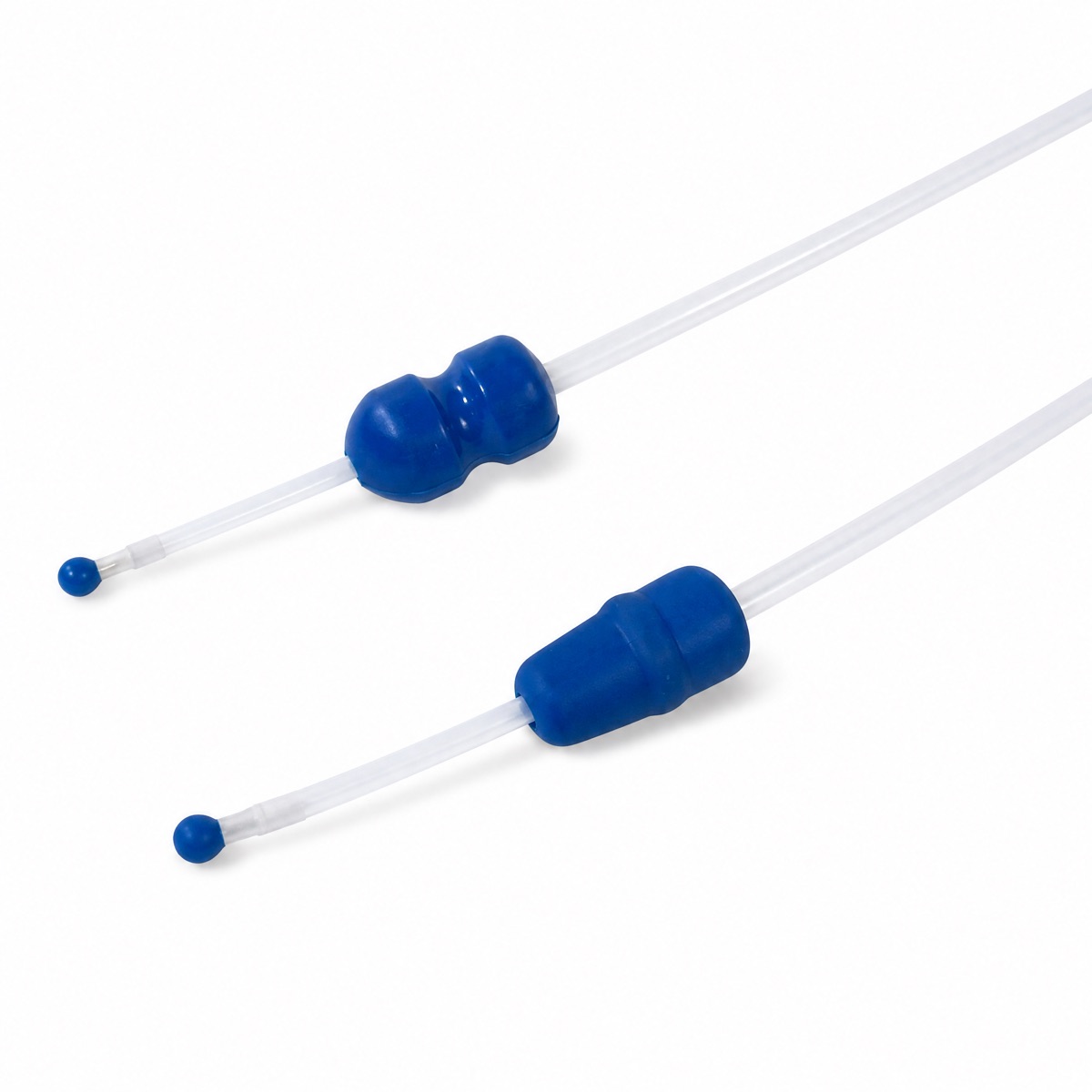
1. Potentially lower sperm use per insemination
A validated PCAI programme may use a different sperm number and volume from a cervical programme. Calculate sperm use per successful pregnancy rather than comparing container volumes alone. Reducing the dose volume does not mean reducing insemination frequency, and rejected semen must not be used to make the arithmetic work.
2. More effective use of boar-stud capacity
A lower validated sperm requirement may allow more doses from an eligible ejaculate. Actual usable yield still depends on concentration, quality, processing losses and demand. Do not halve the boar inventory without reviewing genetic diversity, backup capacity, health status and supply resilience.
3. Wider access to selected genetics
More usable doses can extend the reach of selected sires. Maintain sire identification and mating plans; dose yield does not demonstrate genetic improvement by itself. Avoid allowing one sire’s increased availability to override the herd’s breeding objectives.
4. A different labour workflow
Review time spent preparing animals, placing catheters, passing the cannula, administering semen and recording results. Include failed passage, retraining and supervision. Do not assume every insemination takes seconds or that an operator can safely supervise several animals at once.
5. Better control of delivery when correctly performed
Correct placement can support consistent delivery beyond the cervix, but resistance, backflow and injury remain possible. Record these events and stop when the approved protocol requires it. Softer materials do not guarantee zero trauma, and PCAI does not guarantee a higher pregnancy rate or litter size.
Build a local business case
Compare matched groups under the breeding lead’s supervision. Track sperm per dose, doses per sow, catheter cost, labour, return-to-service rate, farrowing rate, litter size and discarded semen. Keep other management factors as consistent as possible. Use the farm’s observed costs and reproductive results to decide whether to expand the programme.
Related equipment
For model selection and compatibility, contact DOLO or email [email protected].