
Introducing Young Boars into Semen Production
A practical checklist for isolation, health clearance, training, sample evaluation and production release.
Plan the entry before arrival
Introducing a young boar is a health and production decision. Agree the source, health documentation, transport, isolation facilities and release requirements with the herd veterinarian and genetics supplier. Prepare separate clothing, tools and records before the animal arrives.
Isolation and health clearance
Record identity, origin, arrival condition and previous health history. Monitor appetite, behaviour and any signs of illness. Keep isolation separate from routine production movements and follow the veterinarian’s testing, vaccination and treatment plan.
There is no universal isolation duration, minimum distance or vaccination calendar for every farm. Do not delay necessary treatment because of a blanket instruction to avoid injections after arrival. Do not expose incoming boars to faeces or saliva from resident animals as a routine acclimation method; any health-acclimation programme needs a veterinarian-led risk assessment and explicit controls.
Prepare for collection training
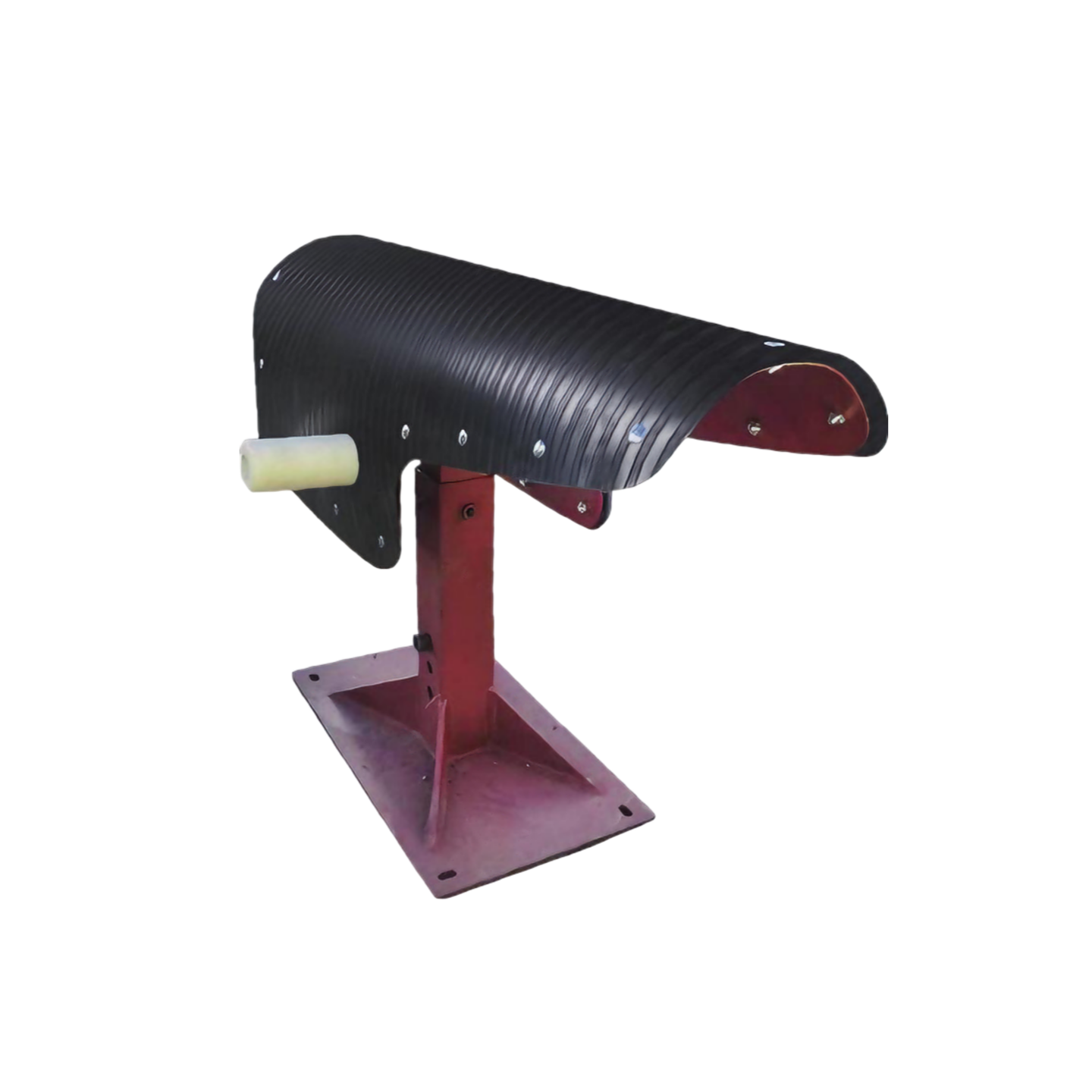
Assess physical development, soundness and behaviour before training. Select a stable, clean dummy of suitable size, provide secure footing and use calm handling. Follow the genetics supplier’s age and maturity guidance rather than applying one bodyweight threshold to all breeds.
Use short, supervised sessions that end before fatigue or distress. Record attempts and progress. Do not force mounting, require collection on a particular first day or discard a boar solely because it has failed a fixed number of training attempts.
Evaluate early ejaculates
Identify each sample and assess the required quality parameters using a consistent method. Early training samples are not automatically suitable for distribution. Review repeated poor results with the veterinarian and breeding lead, considering development, health, collection technique and the laboratory process.
Release into the production schedule
Set collection frequency individually, taking maturity, recovery and semen quality into account. Production release requires both health clearance and the stud’s documented semen-quality criteria. A fixed number of acceptable motility results alone is not a complete release decision.
Maintain a boar file with health status, training notes, collection dates, concentration, motility, morphology where required, usable dose yield and any corrective action. Review trends before increasing workload.
Related equipment
- Rubber surface dummy base (the entry-level choice).
- Fully automatic sperm quality analysis CASA system.
For model selection and compatibility, contact DOLO or email [email protected].